
Fujairah: A Strategic Gateway for Energy
Linking the economies of Europe, Asia, East Africa and the Indian subcontinent, this multi-purpose port serves established east-west routes for international trade.
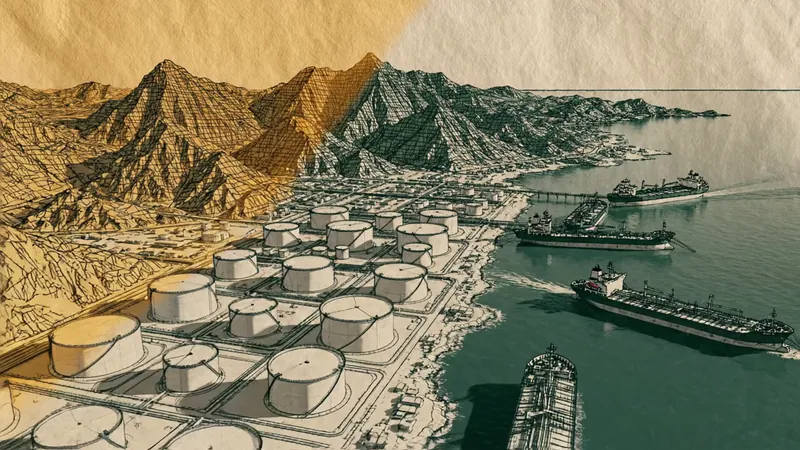
Gateway for energy
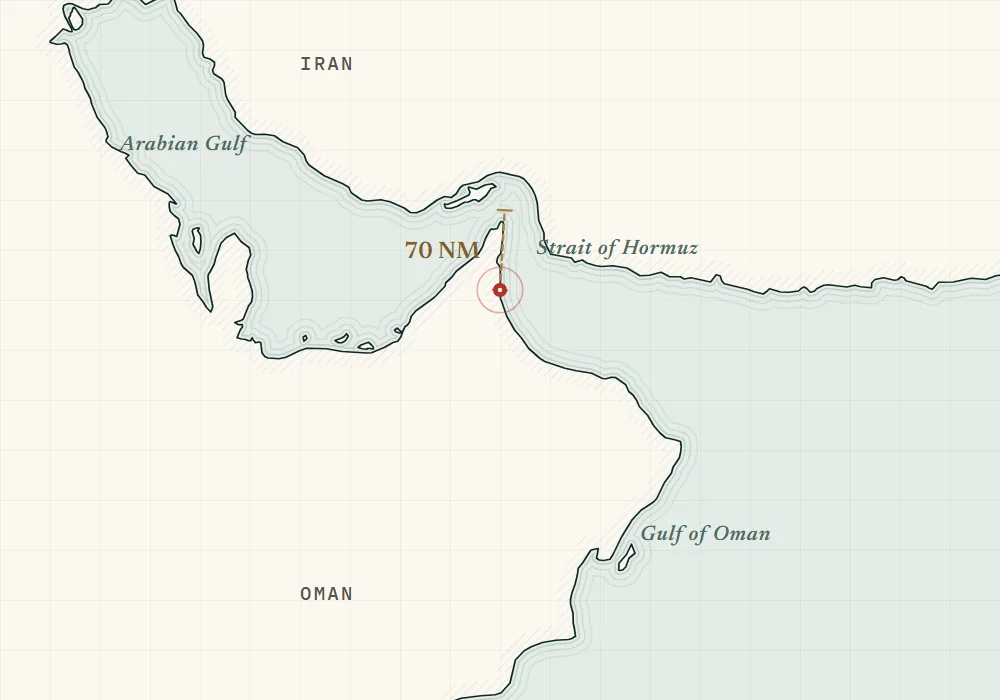
70 NM Outside the Strait of Hormuz
Hub for storage and blending
Ranked among the world’s top three storage hubs, it is also the Middle East’s largest bulk-liquid storage hub, holding a range of petroleum products and handling their transshipment.
Hub for bunkering and berthing
As a bunkering hub, Fujairah is the world’s second-largest; as a bunker market, Port of Fujairah is the world’s third-largest. More than 5,000 vessels a year use the port’s twelve berths, a VLCC berth among them, and neighbouring oil-tanker berths at the port serve imports and exports.
International firms and oil traders
Fujairah is home to major international companies ADNOC, ARAMCO, ENOC and Total. International oil traders including BP, Shell, Vitol, Trafigura, Chemoil, ConocoPhillips and Glencore use it as a major storage hub.
Regional ports
Port or terminal
Basrah (river port)
Mina Al AhmadiMina AbdullahMina Al Zour
JubailRas TanuraDammam
Sitra
Ras LaffanMesaieed
RuwaisJebel DhannaMina Zayed (Abu Dhabi)Jebel Ali (Dubai)Hamriyah (Sharjah)Port of Fujairah (Fujairah)Das Island
SoharDuqmSalalah
Port of Fujairah
Terminal projects here build on an established petroleum cluster, which provides a commercial and infrastructure base.
A cluster already in place
Storage, refining and bunkering operate alongside one another, each supporting the others.
Fujairah Oil Tanker Terminals
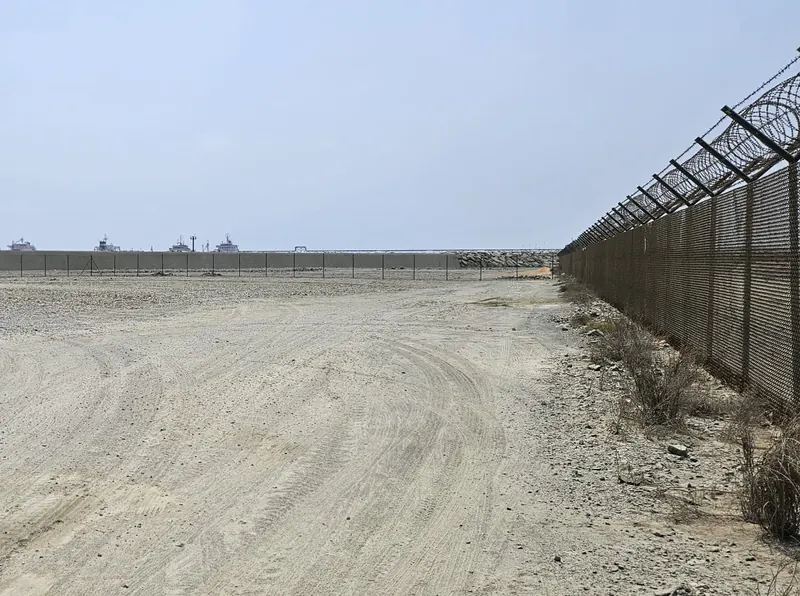
Through FOTT’s shared pipelines and manifolds, connected terminals gain berth access and can move product between one another.
Shared marine access
FOIZ storage, refineries and processing facilities are served by Fujairah Oil Tanker Terminals (FOTT).
Direct terminal-to-terminal transfers and ship-to-ship transshipment both take place here.
Major storage operators
Vopak Horizon Fujairah, VTTI, FOT, GPS Chemoil, JSW, Horizon Emirates, Ecomar and Fort Energy are among the major operators.
MM1: for bunker barges
MM1 is linked to black and white product lines by four dedicated berths (3A, 3B, 3 East and 3 West), used to load and discharge MGO and (V)LSFO.
MM2: for deep-water export
For crude-oil and fuel-oil import/export, the VLCC jetty is linked to MM2 by two 40-inch product/crude lines.
Broader investment in logistics
DP World and Fujairah Ports have reached an in-principle agreement on broader logistics investment around Al Rugaylat and Dibba.
Terminals across Fujairah
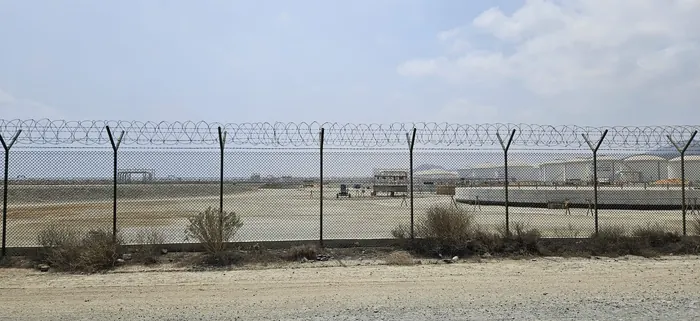
- Fujairah Oil Terminal FZC (FOT)
- Vopak Horizon Fujairah Limited
- VTTI Fujairah Terminals
- ECOMAR
- Brooge Petroleum and Gas Investment Company (BPGIC)
- GPS Chemoil
- NSE
- Horizon Emirates Fujairah Distribution Terminal (ENOC Group)
- Emarat Fujairah Terminal
- ADNOC
Market perspective
Oil and gas: the storage and terminal market
Storing and delivering petroleum products is the business of the storage and terminal market, and its terminals are a crucial link in the oil and gas supply chain.
Behind the growth
Recent years have brought enormous growth to the UAE oil storage market, driven by factors such as a rising population with greater energy needs and a widening range of energy uses, cars among them.
Who leads and where openings lie
The market divides by product into diesel, petrol, aviation fuel, crude oil, kerosene and others. ADNOC, ENOC and Vopak Horizon Fujairah are among the major players leading the UAE oil storage terminal market, while growing UAE demand for oil and gas keeps creating openings for further companies.
Worldwide growth in oil storage for secure supply
Meanwhile, economies around the world are focused on building up storage capacity, both to cover oil demand should imports fail or a crisis strike and to keep a strategic reserve.
Fujairah leads the UAE in oil storage
According to an independent market research report, Fujairah holds more oil storage tanks than anywhere else in the UAE, 447 in all, thanks to its position on the Gulf of Oman. From here, vessels have easy access to the open ocean and can come and go without transiting the strategically sensitive Strait of Hormuz.